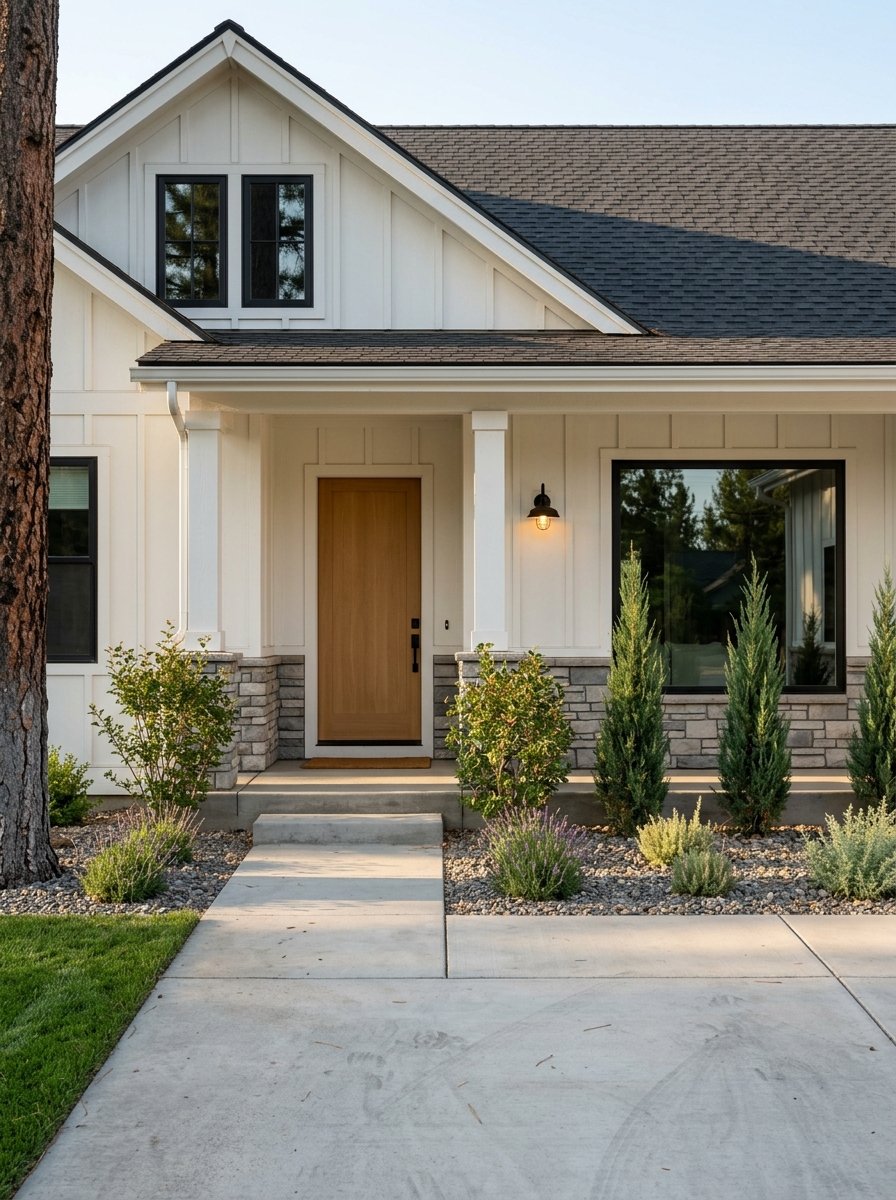
Trying to choose between a newer home and an established one in East Boise? You are not just picking a house style. You are choosing the kind of daily life, maintenance profile, and neighborhood feel that fits you best. If you are weighing charm against convenience, or renovation potential against a more predictable upkeep path, this guide will help you sort through the tradeoffs in a clear, practical way. Let’s dive in.
East Boise Is Not One Housing Type
One of the biggest mistakes buyers make is treating East Boise like a single, uniform market. It is better understood as several nearby submarkets with different housing patterns, street layouts, and neighborhood identities. In practice, that means your decision is often less about “East Boise” as a whole and more about which part of East Boise fits your goals.
City planning materials distinguish areas like the East End, Warm Springs Mesa, Southeast Boise, and Barber Valley. They also draw a clear line between the older, more established East End and the newer Barber Valley and Harris Ranch area. That difference matters because it shapes what you can expect in terms of home age, lot patterns, outdoor access, and future upkeep.
Where Newer Homes Are Concentrated
In East Boise, newer construction is most closely associated with Barber Valley and Harris Ranch. City planning documents describe this area as a planned community with a broad range of housing types and price levels. The area is also organized around walkable streets, greens, and large open-space connections tied to the river, Greenbelt, and foothills.
Boise currently uses the 2018 International Residential Code and related code packages for one- and two-family homes. As a result, newer homes are generally built to more recent code standards than much of the city’s older housing stock. That does not guarantee that every newer home will be problem-free, but it does help explain why many buyers see newer construction as a lower-maintenance option in the near term.
Why Buyers Often Choose Newer Homes
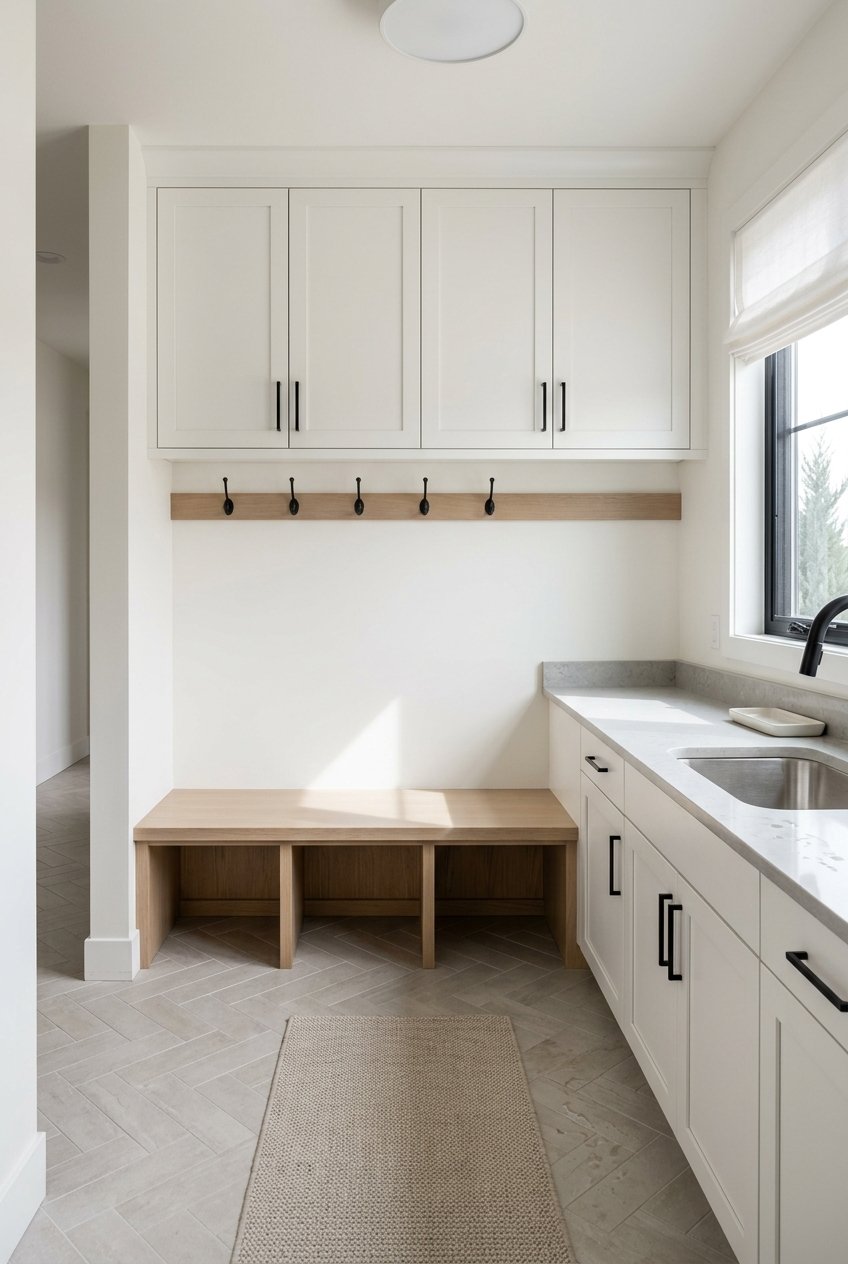
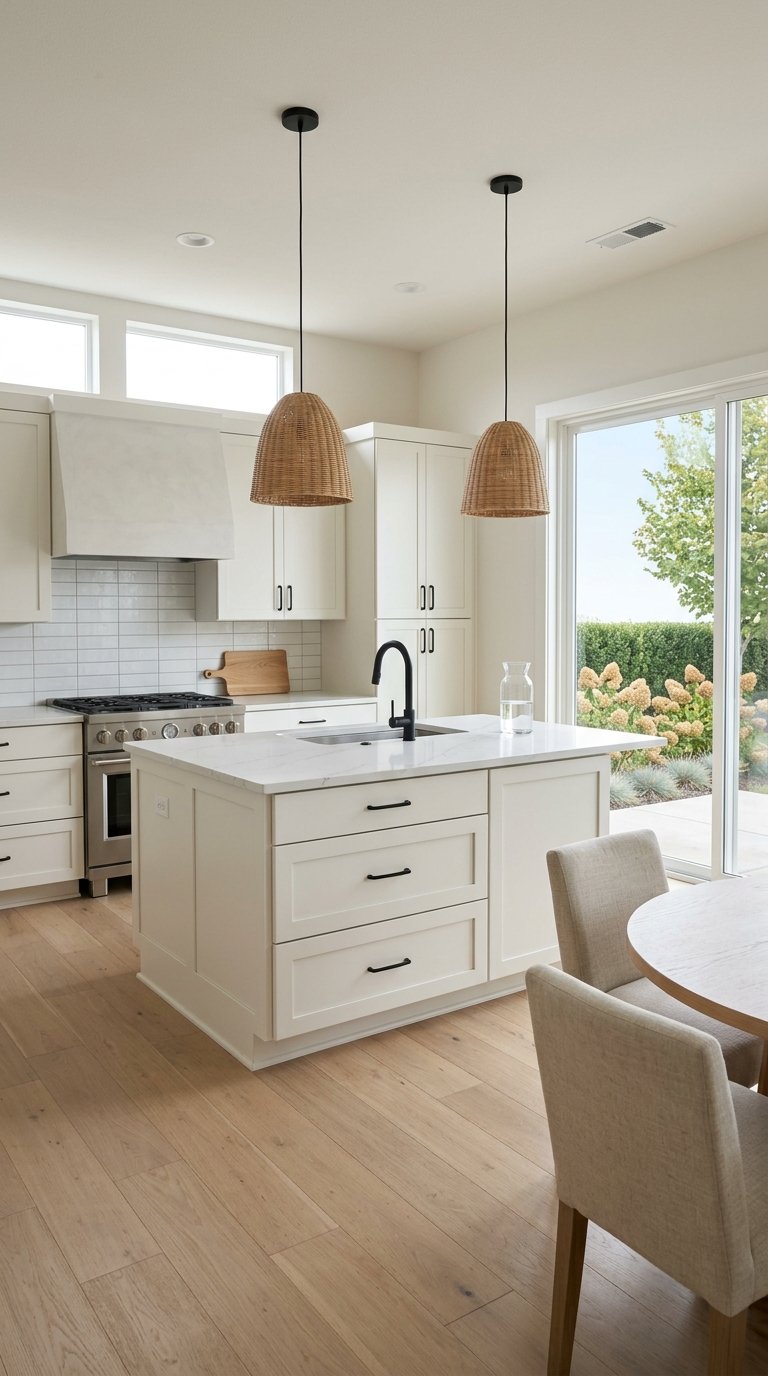
If you want a more predictable maintenance curve, newer homes often check that box. The systems, materials, and overall construction are usually newer, which can mean fewer immediate repair variables after move-in. For busy households, relocating buyers, or anyone who wants a simpler start, that can be a big advantage.
Newer communities can also appeal to buyers who want a more planned layout and a more uniform neighborhood feel. In Barber Valley and Harris Ranch, the open-space network is a major part of the appeal. You are not just buying a house there. You are often buying into a specific way the neighborhood is designed to connect homes, streets, and outdoor recreation.
Tradeoffs to Keep in Mind
A newer home is not automatically the right fit for every buyer. Some people prefer the look and feel of older streets, mature settings, or homes with more individual architectural character. If that is your priority, a newer planned area may feel less personal than an established part of East Boise.
It is also smart to evaluate each home on its own merits. Even in newer construction, build quality, floor plan function, finish level, and long-term livability still matter. This is where a practical, construction-aware review can help you compare homes with more confidence.
Where Established Homes Stand Out
If you are drawn to historic character and a strong sense of place, the East End is the clearest example in East Boise. City planning documents describe it as an established, historic area with access to downtown, the Foothills, the Boise River, and the Greenbelt. The area is also described as largely built out, with only limited infill and redevelopment in recent years.
The East End plan emphasizes preserving the neighborhood’s single-family character, maintaining Greenbelt access where practical, and protecting its historic residential identity. That gives the area a different feel from newer planned neighborhoods. For many buyers, that established setting is the whole point.
Why Buyers Often Choose Established Homes
Established homes often offer the kind of character that is hard to replicate in newer construction. That may show up in the setting, the street pattern, the architecture, or simply the sense that the neighborhood has developed over a long period of time. If you want a home that feels rooted in place, older East Boise neighborhoods can be compelling.
They can also offer renovation potential. If you like the idea of updating a kitchen, improving a layout, or adding your own design preferences over time, an older home may give you more room to personalize. For some buyers, that upside is worth the added planning and effort.
What to Review More Carefully
Boise’s Consolidated Plan notes that a substantial share of the city’s housing stock was built before 1980 and that older homes are more likely to have structural issues needing repair. That does not mean an established home is a bad choice. It means you should go in with open eyes and pay close attention to the home’s systems and exterior envelope.
If a home was built before 1978, lead-based paint is another important consideration. Older homes are more likely to contain lead-based paint, and renovation work can create hazardous lead dust. If you are thinking about remodeling, this is one more reason to plan carefully before you buy.
Renovation Potential Comes With Permit Planning
One of the biggest attractions of an established East Boise home is the chance to improve it over time. That can be exciting, especially if you see value in updating an older layout or modernizing finishes while keeping the home’s original character. Still, it helps to understand the city’s permit requirements before you assume a project will be simple.
Boise’s residential permit guide lists many common projects as permit-related. That includes room additions, finishing attics, garages, or basements, moving walls, reroofing, and many plumbing, electrical, and mechanical changes. For you as a buyer, the takeaway is simple: if a home’s value depends on future upgrades, your budget should also include design, permits, inspections, and possible code-related work.
A Simple Renovation Mindset
If you are considering an older home because of its upside, keep these planning points in mind:
- Look at the home as it is today, not just what it could become
- Ask which updates are cosmetic and which involve systems or structure
- Budget for permits, inspections, and licensed trade work where required
- Factor in possible code upgrades during larger projects
- Treat pre-1978 homes with extra care if renovation is part of your plan
A calm, realistic renovation mindset can help you avoid buying a project that feels exciting on paper but stressful in real life.
Outdoor Access Is Strong In Both
One thing that makes East Boise stand out is how much outdoor access exists across the area. The Ridge to Rivers system includes more than 190 miles of trails connecting neighborhoods with public lands. East Boise access points include Cottonwood Creek, Mesa Reserve near Warm Springs Golf Course, Table Rock, and Military Reserve.
The City of Boise owns Military Reserve for recreation and public purposes. Table Rock trails and trailheads are open from sunrise to sunset for pedestrian and bike access, even though vehicle access to the top is restricted. For many buyers, this means East Boise offers strong lifestyle appeal no matter which side of the newer-versus-established question you land on.
The Real Lifestyle Difference
The key difference is not whether you can get outside. It is how that access is packaged into the neighborhood experience. In the East End, outdoor access is paired with historic blocks, established streets, and a built-out setting near downtown and the Greenbelt.
In Barber Valley and Harris Ranch, outdoor access is tied more directly to a planned network of streets, open space, and newer housing. The area continues to evolve around preserved open space and future trail connections, which can appeal to buyers who want that blend of recreation and newer construction.
How To Decide What Fits You Best
If you are still torn, it helps to focus less on labels and more on your daily priorities. The right answer usually becomes clearer when you think about maintenance tolerance, design preferences, and how much work you want to take on after closing.
Here is a practical way to frame the decision.
Choose Newer If You Want Simplicity
A newer East Boise home may be the better fit if you want:
- Lower near-term maintenance expectations
- More recent code standards
- A more planned neighborhood layout
- Easier day-one livability
- Strong access to open space in a newer setting
For many buyers, Barber Valley and Harris Ranch are the clearest examples of this path.
Choose Established If You Want Character
An established East Boise home may be the better fit if you want:
- Historic character and neighborhood identity
- A built-out area with an established feel
- Proximity to downtown, the Foothills, the Boise River, and the Greenbelt
- Renovation potential and room to personalize
- A home with more visible individuality
For many buyers, the East End is the clearest example of this path.
Consider A Hybrid Option
You do not always have to choose one extreme. Some buyers find the best fit in an updated East End home that keeps its character while reducing major maintenance concerns. Others prefer a newer home near East Boise’s trail network so they can enjoy outdoor access with a more comfortable upkeep profile.
That hybrid approach can be especially useful if you want charm without taking on a full renovation project. It can also work well if you are relocating and want a home that feels distinctive but still manageable.
Why A Local, Practical Review Matters
This decision is about more than age alone. Two homes in East Boise can offer very different value depending on condition, layout, future repair needs, and how well the location matches your routine. That is why it helps to walk through the tradeoffs with someone who understands both the local market and the real-world condition side of the conversation.
If you are comparing newer versus established homes, a practical review can help you stay grounded. Instead of guessing, you can focus on what each option means for your budget, maintenance plan, and long-term comfort.
If you want help sorting through East Boise options, Stephen Sawyer Real Estate offers calm, practical guidance so you can choose a home that fits your lifestyle and comfort level with confidence.
FAQs
What areas count as East Boise when comparing newer and established homes?
- East Boise includes several adjacent submarkets, including the East End, Warm Springs Mesa, Southeast Boise, and Barber Valley, each with different housing patterns and neighborhood feel.
What part of East Boise has the most newer homes?
- Barber Valley and Harris Ranch are the clearest examples of newer construction in East Boise, with planned development patterns, varied housing types, and open-space connections.
What part of East Boise is best known for established homes?
- The East End is the clearest example of established housing in East Boise, with a historic identity, limited redevelopment, and access to downtown, the Foothills, the Boise River, and the Greenbelt.
What should buyers watch for in older East Boise homes?
- Buyers should pay close attention to structural condition, major systems, and the exterior envelope, since older homes are more likely to need repairs, and pre-1978 homes may involve lead-based paint considerations.
Do renovation projects in Boise require permits for older homes?
- Many common projects can require permits or licensed trade work in Boise, including additions, finishing spaces, moving walls, reroofing, and many plumbing, electrical, and mechanical changes.
Is outdoor access better in newer or established East Boise neighborhoods?
- Both offer strong outdoor access, but the experience is different: established areas like the East End pair it with historic streets and a built-out setting, while newer areas like Barber Valley pair it with planned open-space networks and newer development.