Ask two people who live in Banbury what their HOA dues cover and you'll often get two different answers. That's not a communication problem. It's because "Banbury" isn't one neighborhood with one set of rules. It's at least two distinct communities wearing the same name, built four decades apart, governed by separate HOAs, with genuinely different answers to the question every buyer eventually asks: what am I actually paying for.
If you're circling a golf-course listing in Banbury right now, that distinction is worth nailing down before you write an offer, not after you're three weeks into escrow wondering why your dues don't match what your neighbor pays.
One Golf Course, Two Very Different Neighborhoods
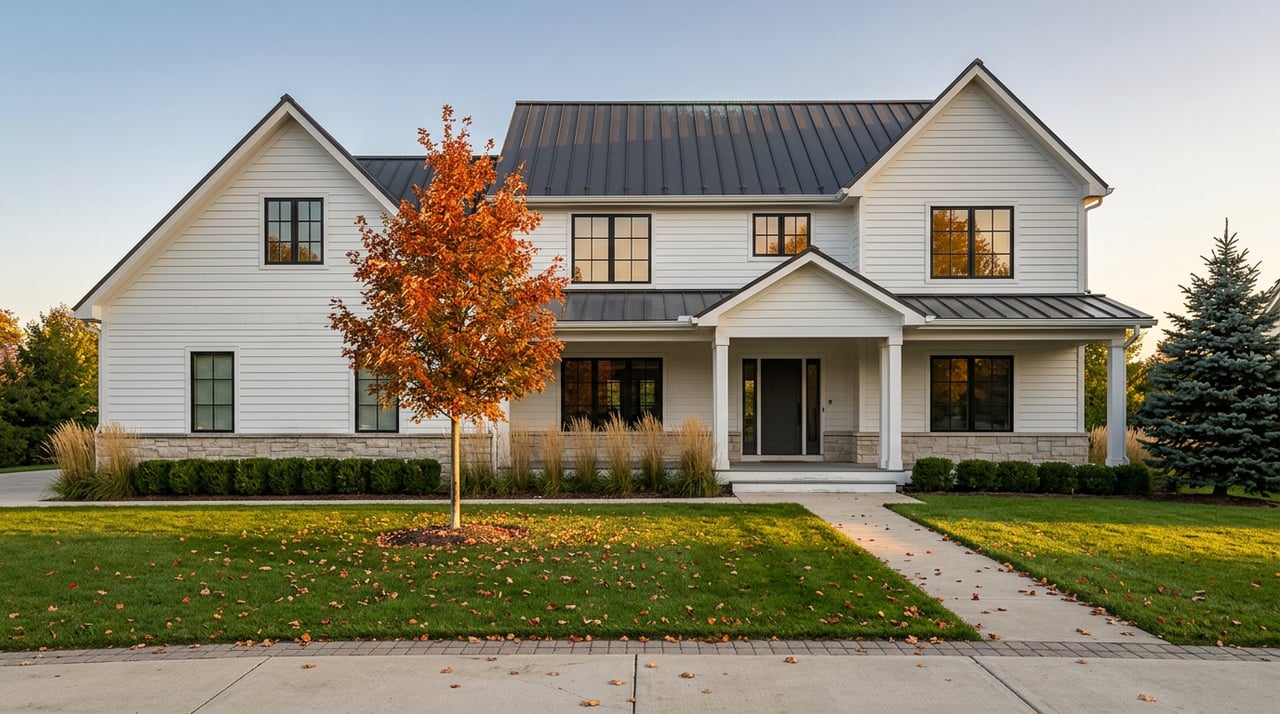
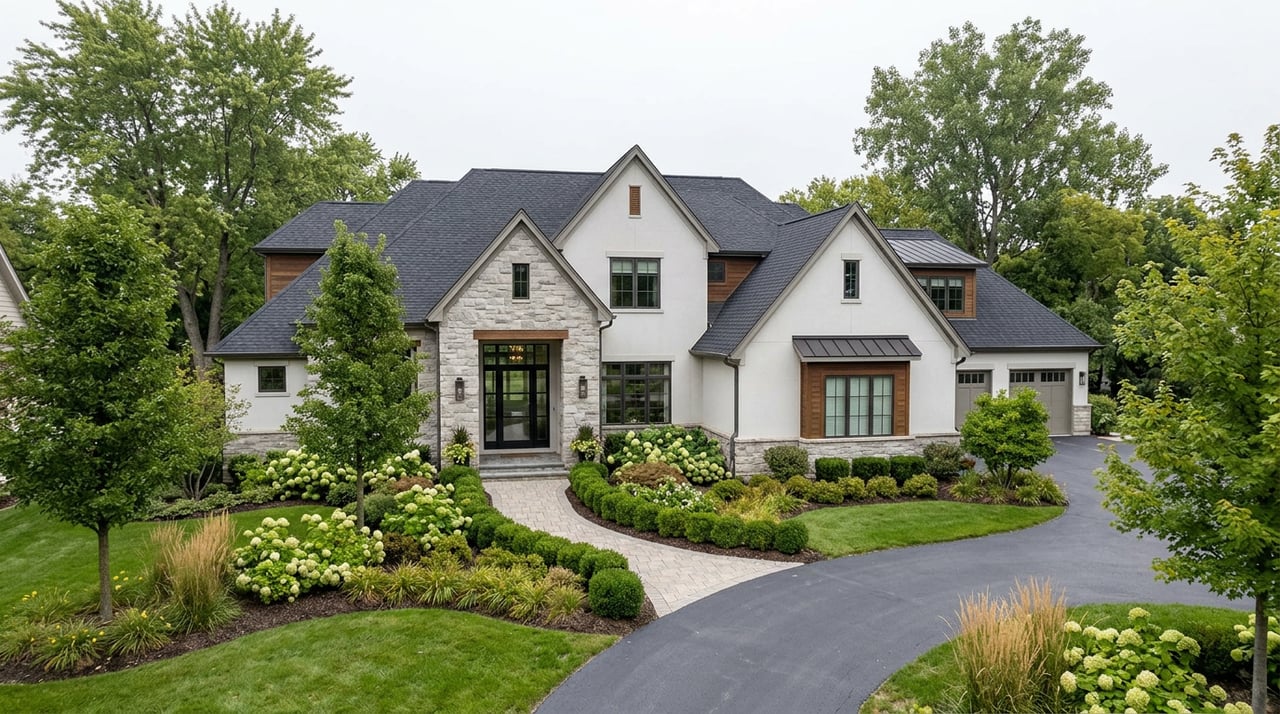
The original Banbury started around 1977, high on a bench above the fairways, and was built out over decades on a custom basis rather than in a single development push. It's a compact community, 520 acres split into 173 lots, nearly all of them an acre or larger. Most of the housing stock here dates to the late 1980s and 1990s, a mix of brick estates with white columns, ranch homes, and the occasional Tudor, sitting side by side because each lot was custom-built when its owner got around to it rather than stamped from a single builder's plan book.
Banbury Meadows is a different project entirely. Development began in 2000 and ran through 2018, on smaller footprints, quarter-acre to half-acre lots wrapped directly around the fairways. The average home here runs about 2,856 square feet, 3.5 bedrooms, 2.8 bathrooms, and recent pricing has spanned roughly $600,000 to $1.5 million depending on lot and finish level.
Same golf course. Same name on the sign. Two housing stocks with different ages, different lot sizes, and, this is the part that actually matters at the closing table, two separate HOAs with different rules about what your dues fund.
What "Banbury" Actually Buys You, Section by Section
| Original Banbury | Banbury Meadows | The Villas at Banbury Meadows | |
|---|---|---|---|
| Built | Mostly 1977 into the late 1990s | 2000 to 2018 | Within Banbury Meadows, various phases |
| Typical lot | 1 acre or larger | Quarter to half acre | Smaller, attached-style maintenance |
| Recent price range | Varies widely by lot and era | $600,000 to $1.5 million | Comparable, with maintenance built in |
| HOA | Its own association | Main Banbury Meadows HOA | Separate Villas HOA |
| What dues typically cover | Shared irrigation, common areas | Shared irrigation, ponds, paths | Shared irrigation, plus front and back yard landscaping in at least some listings |
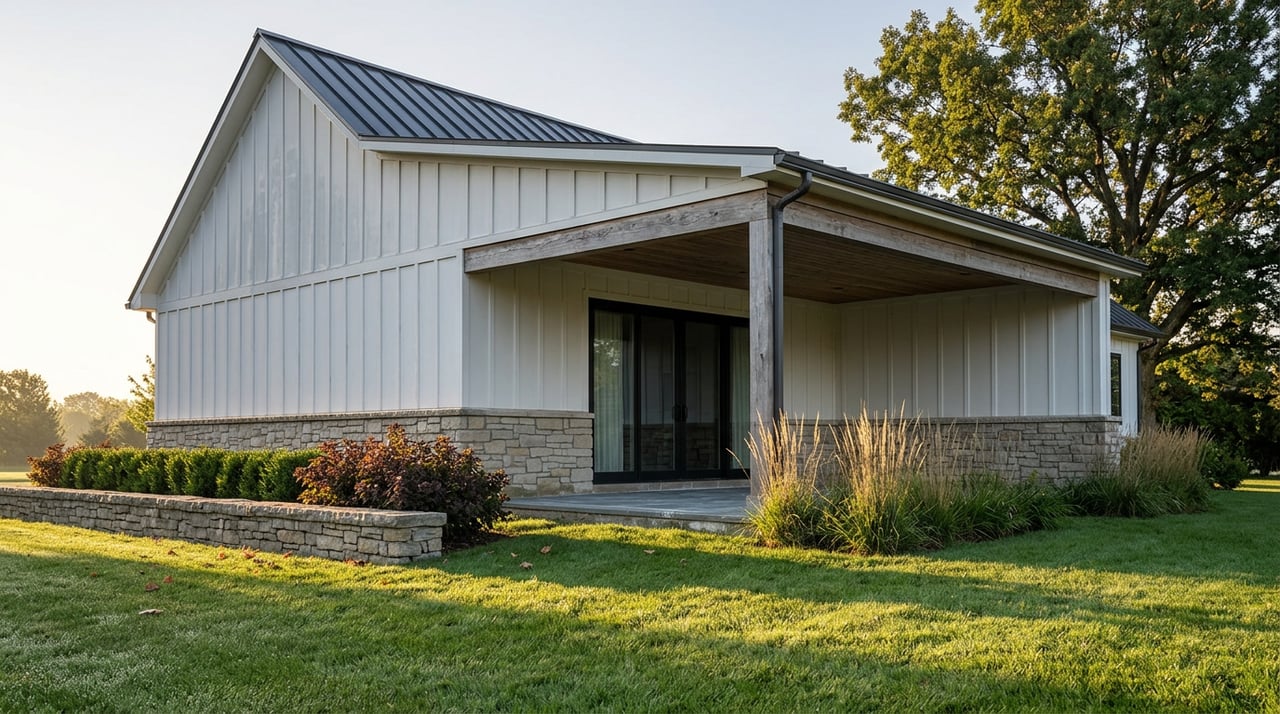
That last row is the one buyers skip past. A recent Villas listing described front and back yard landscape maintenance and irrigation as part of the HOA dues, meaning the association effectively replaces a lawn service for that owner. That's a materially different value proposition than a one-acre lot in original Banbury, where you're mowing an acre yourself, or a standard Banbury Meadows home, where the HOA's role is closer to infrastructure than upkeep. If you're comparing three listings across these three groups on price alone, you're not comparing like to like. You're comparing three different ownership experiences that happen to share a golf course view.
The Real Infrastructure Isn't the Golf Course, It's the Irrigation System
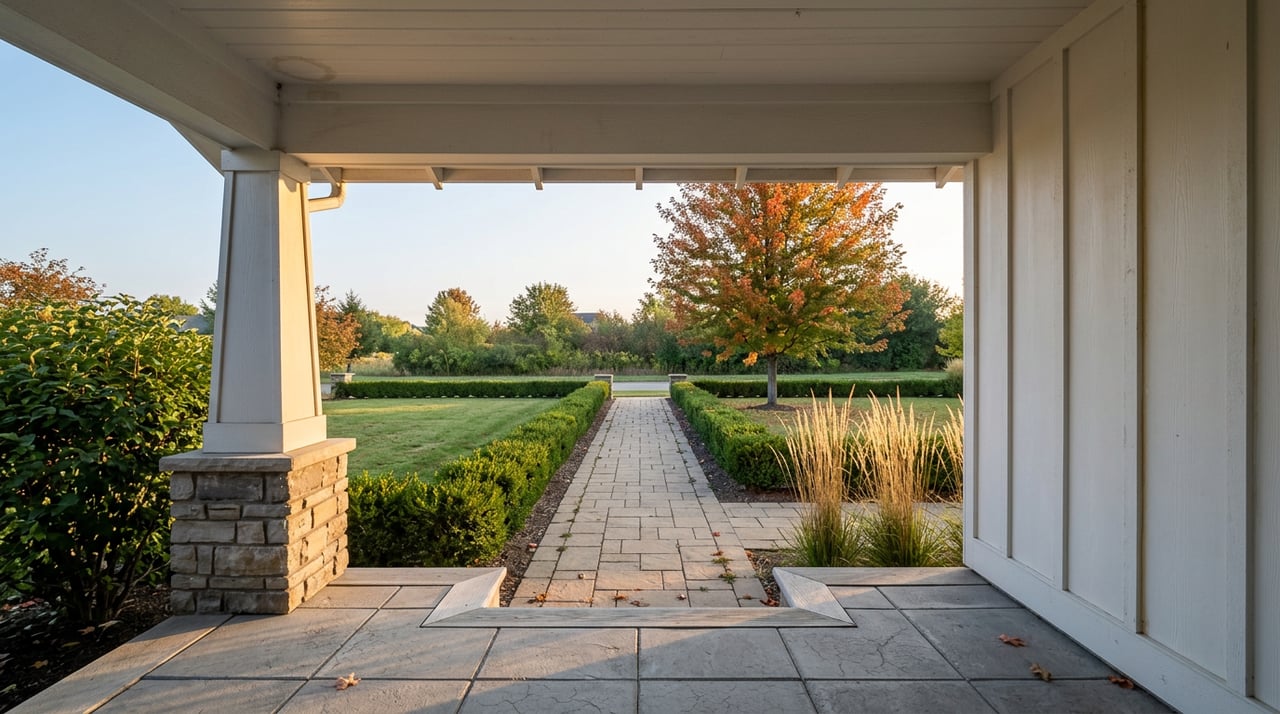
Here's the detail that rarely makes it into a listing description: the lush look that sells Banbury, the fairway-green lawns blending into the golf course, depends on a shared pressurized irrigation system, not municipal water. That system has to be turned on every spring and shut down every fall, and its condition is a live operational issue, not a settled fact.
This spring, the Banbury Meadows HOA's own communications discussed ongoing upgrades to Pump Station #4, with irrigation activation planned for the week of April 13 pending weather and confirmation once the work was done. In July, the main system went down for scheduled repairs and pumps were shut off for several hours before service was restored. None of this is unusual for a community-wide irrigation network. It is, however, exactly the kind of seasonal, mechanical detail a buyer should ask about before closing on a fall or winter purchase, when the system is dormant and you can't simply walk the yard and see how it performs.
If you're touring a Banbury or Banbury Meadows home outside of the April-through-October watering season, ask directly when the system last ran, whether any pump stations are mid-upgrade, and whether the HOA has flagged known problem areas. It's a fair question, and it's the kind of question a listing photo can't answer for you.
Governance Is Looser Than the Curb Appeal Suggests
Worth knowing before you assume a manicured HOA means constant enforcement: Banbury Meadows' board recently put out a call for volunteers to join a new Compliance Committee, explaining that drive-around inspections, once handled weekly by the HOA's management company, had been cut back to once a month because of rising labor costs. That's not a red flag. It's a realistic picture of how HOA enforcement actually works day to day, and it's useful context if you're weighing how strictly CC&Rs get applied versus how they read on paper.
The HOA is managed through Alliance Management Partners, dues are paid through an online portal, and the community still runs its own seasonal programming, a community-wide garage sale each spring among them. None of that is unusual for a golf-course HOA. It's just more texture than "prestigious golf community" tells you, and it's the kind of thing worth asking your agent to pull the actual CC&Rs on before you write an offer, especially if your lot borders a fairway and you want to know what the association's documents say about that specific situation.
What a Golf-Course Lot Actually Costs Right Now
Zoom out to the broader Treasure Valley golf-course market and a pattern shows up that's easy to miss if you're only watching Eagle's citywide numbers. Over the trailing year, golf-course homes across the valley, from entry-level fairway properties in Meridian starting around $515,000 up through luxury communities in Eagle and Kuna well past $1 million, sold at a median in the $685,000 to $700,000 range, with an average closer to $826,000. Homes in that segment closed at roughly 99.3% of asking price, and nearly 30% of buyers paid cash.
Compare that to Eagle's citywide market as of this summer. The most recent weekly snapshot, for the week of August 11, 2026, put Eagle's median list price at $963,495 with inventory climbing to 396 listings and a market index hovering around 30, still tilted toward sellers but not accelerating. In the 83616 zip code specifically, homes sold for a median of $904,995 in July 2026, and the average time on market had stretched to 75 days, up from 60 days a year earlier.
Put those two data points together and the pattern is this: Eagle's overall market is loosening, days on market are lengthening year over year, and buyers have more room to negotiate than they did twelve months ago. But golf-course product, the near-full-asking-price closings and the higher cash share, doesn't appear to be loosening at the same pace. Buyers targeting fairway lots tend to be less rate-sensitive and more likely to close in cash, which insulates that slice of the market from the general softening happening elsewhere in the city. If you're waiting for a Banbury golf-course listing to soften the way the broader Eagle market has, the trailing-year data suggests that's not necessarily the segment where that's happening.
Dues across golf communities in the Treasure Valley typically run $100 to $500 or more a month depending on what's bundled in, private club access, shared irrigation only, or full landscaping like the Villas arrangement. Knowing which bucket a specific Banbury listing falls into changes what that monthly number actually means for your budget.
Before You Write the Offer, Confirm These
- Which HOA the lot falls under, original Banbury, Banbury Meadows, or the Villas, since each has its own dues structure and CC&Rs
- What the dues specifically cover, shared irrigation only, or irrigation plus yard maintenance
- The current status of the shared irrigation system and any pump station work, especially if you're touring outside the April-to-October season
- What the CC&Rs say about fairway-adjacent lots specifically, since your lot's position relative to the course is a governance question, not just a view
- Whether the lot falls in one of the newer, smaller Banbury Meadows phases, like the Phase 8 homesites accessed off Locust Grove, or in the original, larger acreage
Common Questions
Do I have to golf to enjoy living in Banbury? No. The course itself, designed by John Harbottle III along the Boise River's south channel, is the visual anchor for the community, and its restaurant and patio are open to the public, but plenty of residents value the setting, the ponds, and the walking paths without playing a round.
Is one section more affordable than the other? Banbury Meadows has a clearer, more recent price band, roughly $600,000 to $1.5 million, because its homes were built within a defined window on more consistent lot sizes. Original Banbury's one-acre-plus custom lots span a wider range and don't follow as tidy a pattern, since each home reflects when and how its individual owner chose to build.
If you're serious about a Banbury or Banbury Meadows purchase, I'd rather walk you through the actual HOA documents and current listings than let you guess which version of "Banbury" you're comparing. I'm Stephen Sawyer, and I'd be glad to talk through what a specific lot in Banbury actually involves before you write an offer. Schedule a free consultation and let's get the details straight from the start.