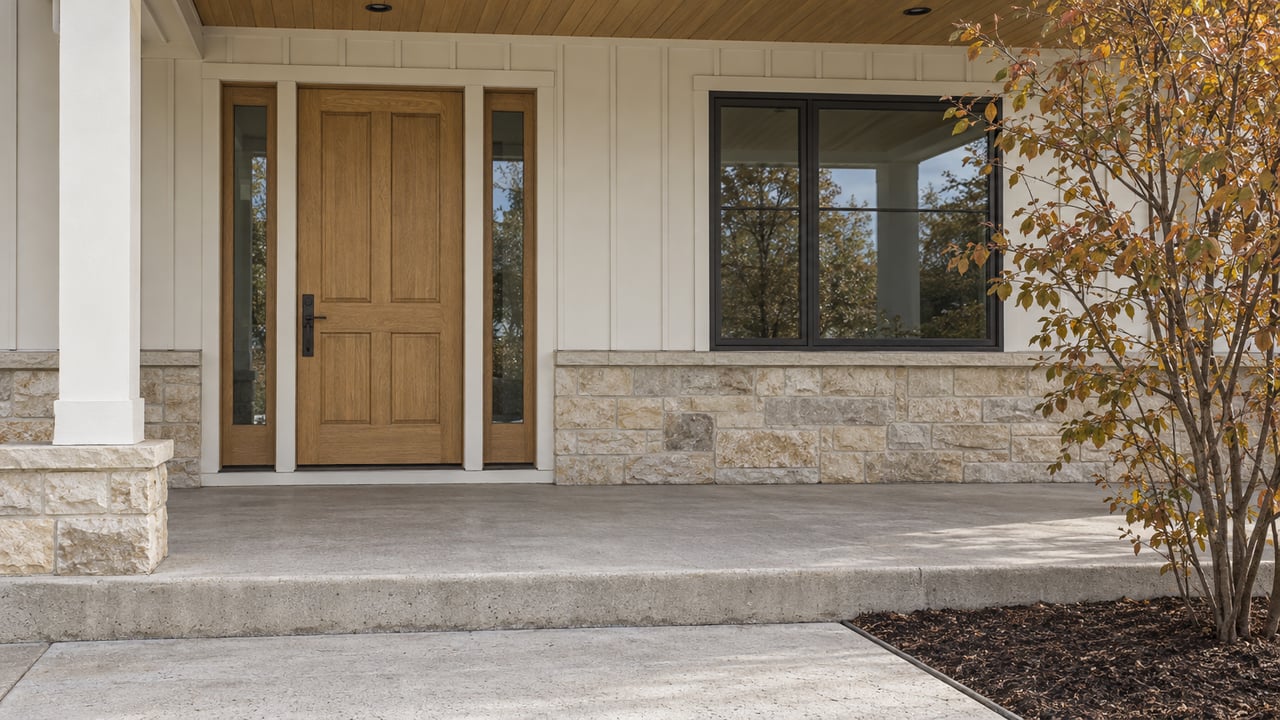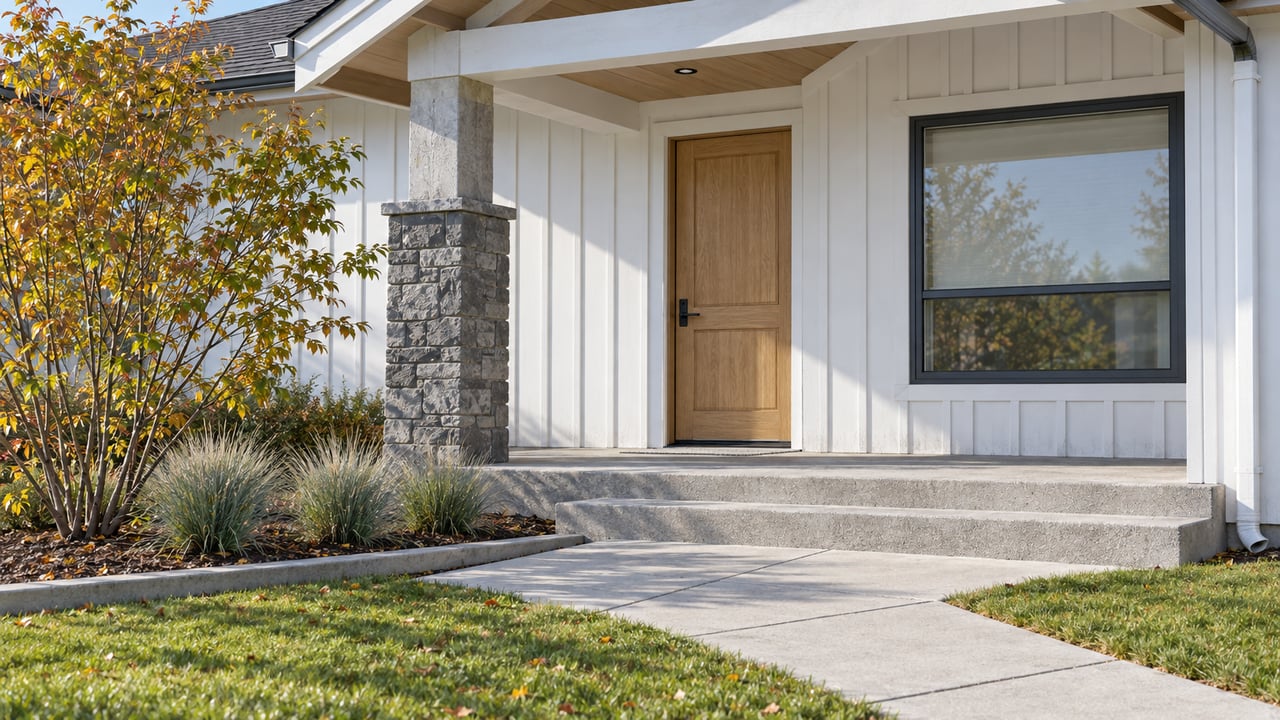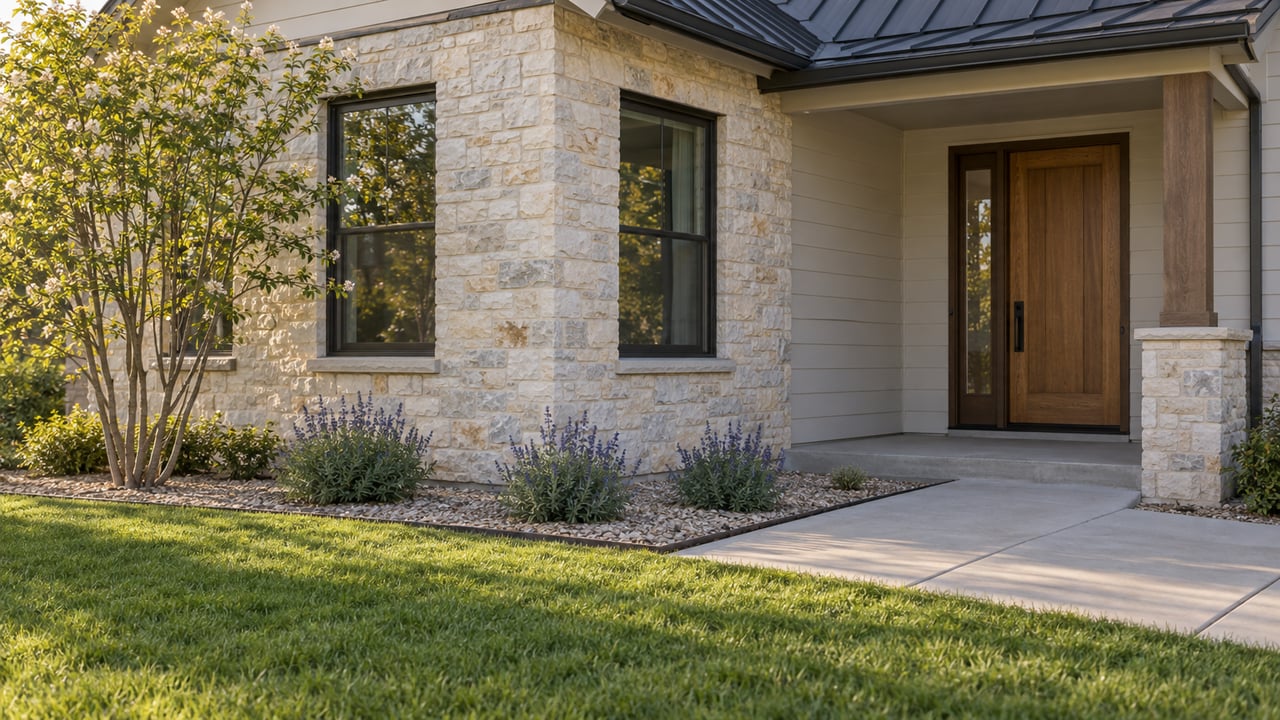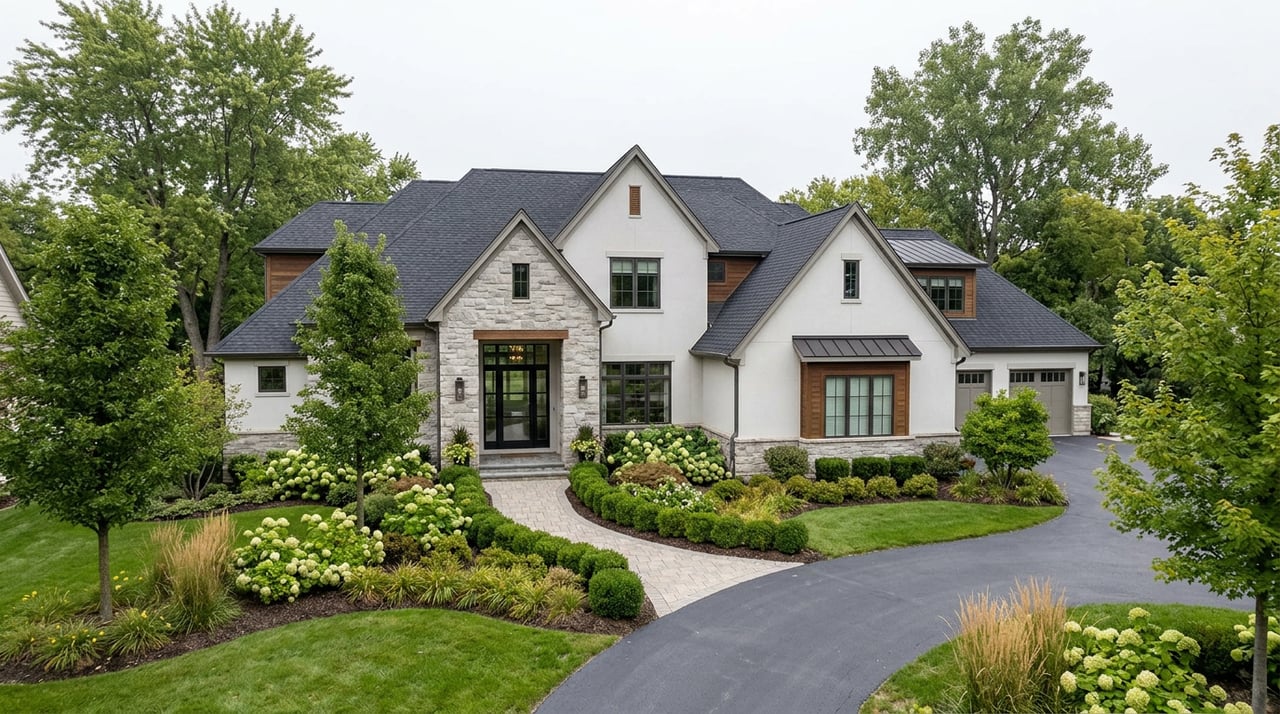
Two homes go under contract in Eagle the same week. Both are new construction, both around 2,400 square feet, both priced within $20,000 of each other. One sits in an established subdivision closer to downtown. The other sits in the foothills, in a community like Avimor or Valnova. On paper they look like the same purchase. On the tax bill, they are not even close.
The difference is a line item called a Community Infrastructure District assessment. When comparing Eagle's established neighborhoods with its foothills communities, include any applicable CID assessment when evaluating the total cost.
Why a Cheaper-Looking Lot Isn't Always the Cheaper Purchase
In a typical subdivision, a builder pays for roads, water lines, and parks up front and folds that cost into the price of the lot. In Avimor and Valnova, Idaho's Community Infrastructure District law (Title 50, Chapter 31 of Idaho Code) lets the developer skip that step. Instead, the district issues bonds to pay for the infrastructure now, and homeowners repay those bonds over decades through a special assessment that rides alongside their regular property tax bill.
That is why a foothills lot can list for less than a comparable lot in an older Eagle subdivision. Part of the cost never showed up in the price. It shows up every year after closing instead.
What Avimor's Own Numbers Say
A Yahoo News report described Avimor's CID plan and the estimates it laid out when the city of Eagle annexed the community in March 2023. On a home assessed at $400,000, the estimated annual CID tax was $1,526 without Idaho's homestead exemption, or $1,151 with it. On a home assessed at $1.6 million, the same formula produced $5,126 without the exemption and $4,751 with it, according to reporting at the time. Only a primary residence qualifies for that exemption, so a second home or an investment purchase in Avimor pays the higher number every year.
| Assessed Home Value | Estimated Annual CID Tax (no exemption) | With Homestead Exemption |
|---|---|---|
| $400,000 | $1,526 | $1,151 |
| $1,600,000 | $5,126 | $4,751 |
Avimor was annexed into the city with just under 800 homes already built. The community is entitled to grow past 8,700 homes over the coming decades, and every one of those future closings carries this same assessment structure, because that is the entire point of a CID: growth pays for itself, one homeowner's bond payment at a time.
Valnova Runs a Different Formula, and a Bigger One
Valnova, the community built on the site formerly known as Spring Valley, uses a different math entirely, and the scale is larger. The underlying Spring Valley Community Infrastructure District No. 1 was formed in April 2012 with authority to issue up to $250 million in bonds. In May 2022, the district asked its qualified electors to raise that ceiling to $600 million, plus an estimated $311.5 million in interest, a repayment total of roughly $911.5 million spread across 30 years, as BoiseDev reported at the time.
Here is the detail worth sitting with. Only "qualified electors" within the CID's boundaries could vote on that bond authorization, and at the time of the vote, almost nobody lived there yet. The Ada County Clerk told BoiseDev the number of eligible voters would not be large. The people who approved nearly a billion dollars in future debt were not the thousands of homeowners who will eventually pay it back. They were a handful of landowners and entities tied to the land itself.
The people who vote to authorize a CID bond are rarely the same people who spend the next 30 years paying it off.
By the fall of 2023, a specific special assessment petition for the project (filed by developer GWC Capital) proposed per-unit costs ranging from about $25,248 to $161,264, payable over 30 years at roughly $842 to $5,376 per year depending on the lot, according to a Yahoo News report. Vertical construction and the first closings in Valnova arrived in 2025, which means buyers touring the community today are the ones now living inside that math.
What to Check Before You Write an Offer
If you are looking at a home in Avimor, Valnova, or any other CID-backed community in the Eagle foothills, treat the assessment as its own line of due diligence, separate from inspection and appraisal.
- Ask your agent to pull the parcel-specific CID assessment from Ada County records before you write an offer, not after.
- Confirm whether the home will be your primary residence, since only owner-occupied homes qualify for Idaho's homestead exemption on the assessment.
- Ask how many years remain on the bond term for that specific parcel.
- Compare the total carrying cost, sale price plus CID assessment plus standard property tax, against a similarly sized home in a non-CID Eagle subdivision.
- Ask whether the district has pending petitions for additional bonds.
What This Means If You're Comparing Neighborhoods
Established Eagle subdivisions closer to downtown, along the Boise River corridor, and in older foothills pockets generally do not carry a CID line. The infrastructure there was built and paid for the traditional way, folded into the original lot price decades ago. That is part of why an older Eagle home can carry a higher sticker price than a newer one in Avimor or Valnova and still cost less, or about the same, once you run the full annual number.
None of this makes the foothills a bad purchase. Avimor and Valnova offer new construction, open space, and trail access that older Eagle subdivisions simply cannot replicate on a built-out lot. But the comparison only works if you are pricing the whole obligation, not just the number on the sign.
Common Questions
Is every new home in Eagle inside a CID? No. The assessment applies specifically to communities financed this way, primarily Avimor and Valnova in the foothills. Most established Eagle subdivisions closer to the river and downtown do not carry one.
Can I find the exact assessment before I make an offer? Yes. It is a matter of public record through Ada County, tied to the specific parcel, and your agent can request it as part of an offer strategy rather than waiting for it to surface at closing.
If you're weighing a foothills new build against an established Eagle neighborhood, run the real numbers before you fall for the sticker price. Stephen Sawyer has walked Treasure Valley buyers through this exact comparison, foothills growth against downtown-adjacent resale, and can pull the parcel-specific assessment on any Eagle property you're considering. Schedule a free consultation and get the full picture before you write an offer, not after.
This article is general information, not legal, tax or financial advice. Consult a qualified professional about your situation.